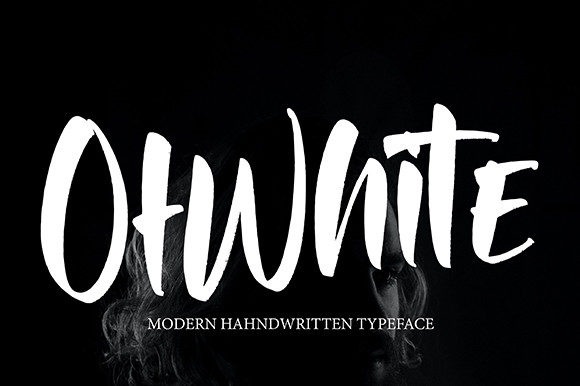
Ofwhite: A Stylish Handwritten Font for Modern Branding
Ofwhite Adds Personality to a Café’s New Menu Design
When I recently helped a local café refresh their menu, we wanted to keep the warm, cozy atmosphere intact while giving the design a more polished and intentional feel. That’s when I introduced Ofwhite — a script handwritten font that brings a sense of confidence and energy without feeling too stiff or overdesigned. It was the perfect choice for their menu headers and daily specials, giving the layout a personal, hand-crafted touch that matched the café’s vibe.
How Ofwhite Elevates Packaging for Small Businesses
Whether you're printing labels for candle jars, skincare bottles, or bakery boxes, typography plays a huge role in how your brand is perceived. Ofwhite stands out as a fonts option that feels both modern and approachable. Its brushed texture and dynamic flow make it ideal for short phrases and product names — especially when you want to inject personality without sacrificing professionalism. I’ve used it for boutique tags and handmade soap packaging, and every time, it helped the brand feel more cohesive and memorable.
Ofwhite for Social Media and Online Shop Graphics
In today’s digital-first world, small businesses need to maintain visual consistency across both print and screen. Ofwhite works beautifully in social media graphics, Instagram stories, and online shop banners. Its strong character ensures that headlines and callouts are attention-grabbing, even on small mobile screens. When paired with a clean sans-serif font for body text, it creates a balanced, modern look that feels intentional and brand-aligned. I especially recommend it for Etsy sellers, lifestyle brands, and service providers looking to elevate their digital presence with a touch of elegance and authenticity.
Why Ofwhite Works Well for Thank-You Cards and Branded Stationery
Personal touches matter — especially when it comes to customer appreciation. I recently helped a small boutique create custom thank-you cards using Ofwhite. The font’s confident strokes and brushed texture gave the cards a hand-written, heartfelt feel that resonated with customers. Whether it’s for thank-you notes, business cards, or packaging inserts, this script handwritten font adds a layer of sophistication and warmth that off-the-shelf fonts just can’t match.
Font Pairing Tips Using Ofwhite in Branding Projects
One of the strengths of Ofwhite is its versatility in font pairing. Since it’s bold and expressive, it works best when balanced with a simpler typeface. For example, pairing it with a minimalist sans serif like Montserrat or Lato keeps the design modern and readable. If you’re going for a more elegant or editorial look, a classic serif like Playfair Display can complement Ofwhite beautifully. These combinations work especially well in logo design, packaging, and marketing materials where visual hierarchy and brand clarity are key.
Readability and Practical Use of Ofwhite Across Media
While Ofwhite is best suited for headlines, titles, and accents, it’s important to consider readability when using it for small print or digital thumbnails. I recommend using it at larger sizes for printed packaging, banners, and logos where its character shines brightest. On mobile screens or small product tags, keep the text short and avoid tight spacing to maintain legibility. As with any premium font, always test it in real-world applications before finalizing your design — especially if you're using it for multilingual content or commercial print runs.
What to Check Before Using Ofwhite for Commercial Projects
Before diving into a full brand rollout with Ofwhite, make sure you understand the licensing terms. Most quality commercial font packages include a range of weights, alternates, and multilingual support — which is essential if you’re designing for international markets or creating templates for clients. I always advise small business owners to download a test file first, check the included glyphs, and confirm that the font supports the platforms they use — whether it’s Canva, Adobe, or Shopify. Doing this upfront ensures smooth implementation and avoids any licensing surprises later.